A staircase does far more than connect one floor to another. It shapes the way a home feels, influences how light moves through a space, and affects how people experience every room around it. Some staircases quietly stay in the background. Others instantly become the first thing people notice when they walk through the front door.
That is why many homeowners find themselves deciding between two very different styles: open staircases and traditional staircases. Both options offer unique benefits. However, the right choice depends on how you live, how your home is laid out, and what kind of atmosphere you want to create.
Understanding the differences can help you make a choice that feels right not only today but also years from now.
Understanding Open Staircases
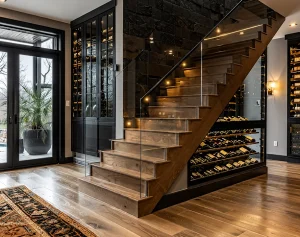
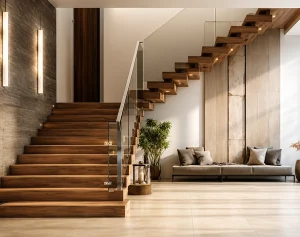
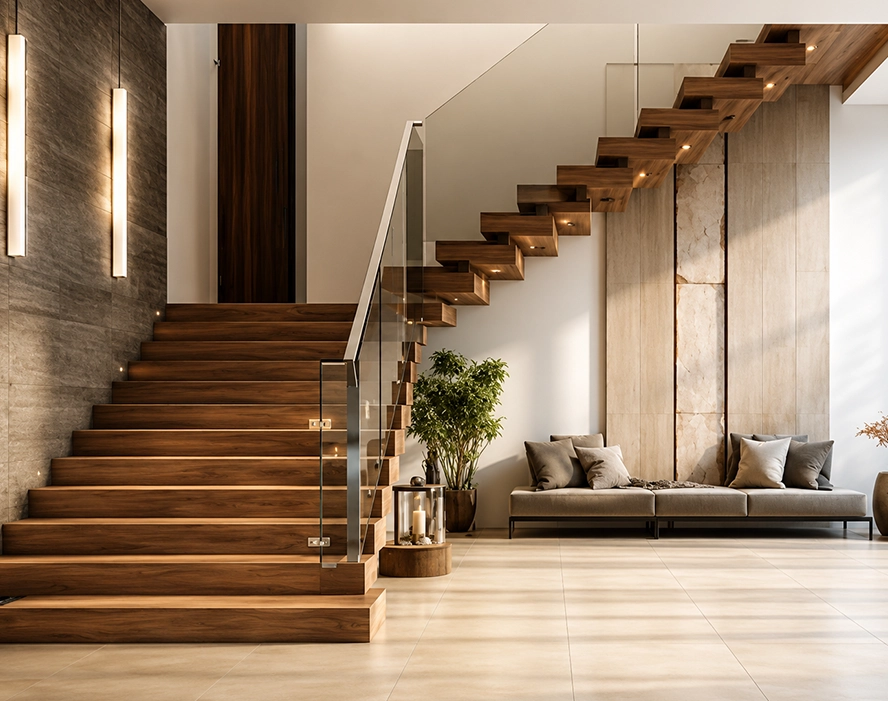
An open staircase is designed to create a more airy appearance. Instead of solid risers between each step, there are often open spaces. Many designs also use glass panels, metal railings, or slim wood features that allow light to pass through.
As a result, the staircase appears lighter and less bulky. Open staircases are commonly found in:
- Contemporary homes
- Modern renovations
- Waterfront properties
- Urban homes with limited space
- Homes that focus on natural light
Rather than dividing rooms, these staircases help spaces feel connected.
Understanding Traditional Staircases
Traditional staircases use closed risers and a more solid structure. They often feature classic wood railings, decorative balusters, and substantial newel posts.
For decades, this style has remained popular because it offers familiarity, comfort, and a timeless appearance.
Traditional staircases are often seen in:
- Craftsman homes
- Colonial homes
- Farmhouses
- Traditional family homes
- Historic renovations
Because of their enclosed design, they tend to feel more substantial and grounded.
The Difference You Notice Immediately
One of the biggest differences becomes obvious the moment you walk into a home. An open staircase creates a feeling of openness. The room often looks larger because your eyes can travel through the stair structure instead of stopping at a solid wall of wood.
Meanwhile, a traditional staircase creates a stronger visual presence. It often acts as a focal point that adds style and architectural detail. Think about the feeling you want when someone enters your home. An open staircase often feels:
- Bright
- Airy
- Modern
- Clean
- Spacious
A traditional staircase often feels:
- Warm
- Familiar
- Welcoming
- Established
- Timeless
Neither feeling is better. They simply create different experiences.
How Each Style Affects Natural Light
Natural light can completely change the mood of a home. This is where open staircases often stand out.
Because light can move through the open spaces between steps and railings, sunlight reaches more areas of the home. This can make hallways, entryways, and living spaces feel brighter throughout the day.
In contrast, traditional staircases block more light due to their closed design. That does not mean traditional staircases make a home dark. However, they generally create more visual separation between areas.
If your home already receives plenty of sunlight, either option may work beautifully. If you are trying to maximize brightness, an open staircase often has a clear advantage.
The Impact on Space
Many homeowners are surprised by how much a staircase affects the perception of space. Open staircases tend to make rooms feel larger than they actually are. This happens because:
- There are fewer visual barriers
- Light moves more freely
- The eye can see beyond the stair structure
- Rooms feel more connected
For smaller homes, this effect can be especially valuable. Traditional staircases, on the other hand, provide a stronger sense of separation between spaces. That can be beneficial when you want:
- Defined rooms
- More privacy
- Distinct architectural zones
- A cozier atmosphere
The choice often comes down to whether you want openness or structure.
Safety Considerations Matter
Safety should always play a major role in staircase design. Traditional staircases are often preferred by families with young children because closed risers reduce gaps between steps.
Many homeowners also appreciate the solid feel of traditional designs. Open staircases can absolutely be built safely. However, the design must carefully follow building code requirements regarding spacing, railings, and structural support.
Features often added to improve safety include:
- Glass panels
- Cable rail systems
- Additional handrails
- Carefully sized openings
A well-built staircase should always balance appearance with safety.
Cleaning and Maintenance Differences
Maintenance is another area worth considering. Open staircases tend to show dust more easily because there are fewer surfaces hiding dirt and debris.
Since you can often see through the staircase, cleanliness becomes more noticeable. Traditional staircases may hide some dust better, but they also have more surfaces, corners, and decorative details that require attention.
Maintenance needs vary based on materials. For example:
Open Staircases That Are Often Used:
- Glass
- Steel
- Cable railings
- Modern hardwoods
Traditional Staircases Often Use:
- Solid wood
- Decorative balusters
- Detailed trim work
- Classic handrails
Every material has different cleaning requirements, so it helps to think about long-term upkeep before making a decision.
Style Trends Come and Go
One of the most important things homeowners learn is that trends change. However, good design lasts.
Open staircases have become increasingly popular because many homeowners enjoy modern, light-filled interiors. They pair well with:
- Large windows
- Open floor plans
- Contemporary furniture
- Minimalist design
Traditional staircases continue to remain popular because they complement a wide variety of architectural styles.
They work beautifully with:
- Rich wood finishes
- Detailed millwork
- Historic elements
- Classic interior designs
Rather than chasing trends, focus on what feels natural for your home. A staircase should look like it belongs there.
Budget Considerations
Cost often becomes part of the conversation. Many factors affect pricing, including:
- Materials
- Design complexity
- Structural requirements
- Labor
- Finishes
Open staircases sometimes require additional engineering and specialized installation methods. Features such as glass panels, floating treads, and custom metal components can also increase costs.
Traditional staircases can range from simple to highly detailed designs. While some traditional staircases are budget-friendly, elaborate woodwork and decorative features can also increase investment.
Because every staircase is unique, comparing styles based solely on cost can be misleading. Instead, focus on value.
A staircase should provide:
- Daily comfort
- Long-term durability
- Visual appeal
- Functional performance
Which Style Works Better for Resale Value?
Homebuyers notice staircases. A well-designed staircase often leaves a lasting impression because it occupies a central location within the home.
Open staircases frequently attract buyers seeking a modern appearance.
Traditional staircases appeal to buyers who appreciate classic architecture and timeless design.
The strongest resale value usually comes from choosing a staircase that matches the home’s overall style. For example:
- A sleek open staircase often complements a modern home.
- A traditional staircase often complements a classic home.
Consistency creates a more attractive overall design.
Everyday Living Makes the Difference
While appearance matters, daily life matters even more. Think about how you use your home.
An open staircase may feel ideal if you enjoy:
- Bright spaces
- Modern interiors
- Open floor plans
- Minimal visual barriers
A traditional staircase may feel ideal if you appreciate:
- Defined spaces
- Traditional architecture
- Rich wood details
- A more classic atmosphere
The best staircase is the one that continues to feel right every day, not just on installation day.
The Emotional Side of Stair Design
People often focus on measurements, materials, and costs. Yet the emotional impact of a staircase deserves attention, too. A staircase becomes part of daily routines.
You walk up it in the morning. You come down it after a long day. Family photos are taken around it. Holiday decorations often surround it.
Children race up and down it. Guests notice it immediately. Over time, it becomes part of your home’s story.
That is why choosing a staircase is about more than construction. It is about creating a space that feels comfortable and meaningful every time you use it.
Final Verdict
Both open staircases and traditional staircases offer valuable benefits. Open staircases create a brighter, more spacious feeling and often fit beautifully within modern homes. Traditional staircases provide warmth, character, and a timeless appearance that continues to appeal across generations.
The best choice depends on your home’s architecture, your daily lifestyle, your design preferences, and the atmosphere you want to create. When carefully planned and built, either option can become one of the most memorable features of a home.
For homeowners exploring custom staircase designs, companies like Beautiful Custom Stairs have spent decades helping homeowners create stair systems that fit the character, layout, and everyday needs of their homes. Established in 1988, we specialize in custom staircases and work closely with homeowners, builders, architects, and designers throughout the Seattle area.