
Summer camp feels simple for kids, and that helps a lot. First, they arrive and join a small group. Then a leader explains the plan in plain words. Most camps run on a steady routine, so kids know what comes next. That routine lowers stress, and it reduces behavior issues. Next, kids rotate through activities in short blocks. After that, they eat lunch and rest. Then they go back outside for games and projects. Staff usually build in water breaks and shade time. That matters because hot days can sneak up fast. Also, many camps use a buddy system for moves between areas. So kids stay with a friend, and leaders count heads faster.
Quick Icebreakers That Help Kids Feel Safe
On day one, kids want friends, yet they may feel shy. So camps start with easy icebreakers. First, leaders play simple name games, like “name and favorite snack.” Then kids practice listening and taking turns. Next, many camps set up a buddy pair for the first morning. This helps kids settle in, and it helps leaders track groups. Also, team games make rules feel fair because everyone follows them. For example, kids may play “human bingo” with safe prompts. Then they share one thing they like, and they learn new names.
Try this at home: ask your child to practice a short intro.
Why it works: kids connect faster when talk feels guided.
- Quick “name + action” circle game
- Buddy check-in before each activity switch
- Team points for kindness, not just winning
Scavenger Hunts That Teach Rules Without Lectures
Kids learn camp rules faster when they move around. So many camps run a scavenger hunt early. First, leaders hand out a short list of places. Then kids look for the water station, first-aid sign, and group meeting spot. Next, kids learn what “stay in bounds” means in a real way. After that, leaders review each stop and explain the key rule there. For example, they may show where to line up for pickup. Also, hunts can include safety signs, like “stop” or “staff only.” So kids build location memory on day one.
Parent tip: ask your child what the “meet-up spot” is. That question shows you care, and it builds confidence.
- Find the shade area for breaks
- Spot the hand-wash sink or wipes station
- Locate the restroom path and buddy rule
Nature Walks That Build Curiosity And Caution
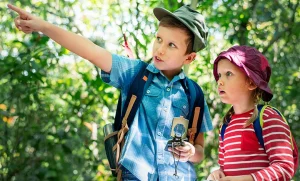
A short nature walk feels fun, and it teaches care. First, kids look for leaves, bugs, and clouds. Then they record what they see in a small journal. Next, leaders teach safe habits, like staying on paths. Also, they remind kids not to touch unknown plants. After that, camps often do a quick check for ticks in high-risk areas. So kids learn a real safety skill early. Many families also use bug spray when needed. The American Academy of Pediatrics points parents to EPA-registered repellents, like DEET or picaridin.
Mini checklist: pack a hat, a water bottle, and closed shoes. Then the walk stays fun and calm.
- “I spy” lists for trees, rocks, and birds
- Simple journal pages: draw, label, and date
- Quick hand wash before snack time
Simple Knots And Shelters For Outdoor Teamwork
Kids love building things with their hands. So camps often teach basic rope skills. First, a leader shows one knot at a time. Then, kids try it with a thick rope that is easy to grip. Next, they practice a square knot to join two ends. After that, they learn how to make a bowline to make a steady loop. Then, teams use sticks and a tarp to make a shade shelter. This activity builds planning skills and teamwork. Also, it teaches safety rules for shared space. For example, kids keep a “safe circle” while moving long sticks.
Small technical tip: leaders check knots by tugging hard before use. So the shelter stays stable, and kids stay safe.
- Square knot practice with color-coded rope ends
- Bowline loop for holding a tarp corner
- Team roles: holder, knotter, and checker
Water Play With Clear Safety Checks
Water time can be fun, yet safety comes first. So many camps do a quick swim check on day one. Then they group kids by comfort level. Next, weaker swimmers may wear a life jacket in deep water. The American Red Cross shares life jacket safety guidance for families. After that, leaders use games that fit each group. For example, kids may do sponge relays or water toss in shallow areas. Also, staff keep strict eyes-on rules near water. So they avoid distractions and keep kids within set zones.
Sun care matters here too: the CDC says reapply sunscreen if you are out over two hours, and after swimming. That simple habit prevents burns and cranky afternoons.
- Swim check to match supervision and skill
- Shallow-water games for new swimmers
- Sunscreen and towel-off reminders
Field Games That Grow Strength And Stamina
Outdoor games burn energy, and kids need that. In fact, the CDC says kids ages 6–17 need at least 60 minutes of activity daily. Camps help meet that goal with short, varied games. First, kids warm up with light moves, like marches and arm circles. Then they play kickball, soccer, or relay races. Next, leaders rotate stations so kids do not get bored. Also, they schedule water breaks before the kids ask. On hot days, leaders may watch the heat index, not just the temperature. The National Weather Service notes heat index shows how hot it feels with humidity. So, camps plan more shade and shorter play blocks.
- Warm-up, game, then cool-down walk
- Water break timers, not “wait until thirsty.”
- Shade rests when heat or humidity rises
Craft Time That Improves Hands And Focus
Craft time gives kids a calm break from running. First, they choose a simple project. Then they follow the steps in order, which builds patience. Next, they use scissors, glue, and paint with clear rules. So the room stays safe and clean. Many camps set up stations, and kids rotate by choice. That choice matters because it lowers fights and helps focus. Also, crafts support fine motor skills, like cutting and tying. For example, kids may bead a keychain or make a paper weave.
Mini safety note: leaders keep small items away from mouthy toddlers. Then they clean tables and wash their hands before snacks. So kids go home cleaner, and parents feel better.
- Beads and lacing cards for finger control
- Nature collage with leaves and safe glue
- Simple clay pinch pots with air-dry clay
Easy STEM Builds Using Common Camp Supplies
STEM can feel simple when the goal is clear. First, kids get a challenge, like “build a bridge.” Then they use popsicle sticks, tape, and string. Next, they test the build with small weights, like coins. After that, they talk about what worked and what failed. So kids learn to try again without fear. Leaders often teach quick measuring skills, too. For example, kids may use a ruler to match lengths. Also, they learn basic balance by spreading weight across a base.
Parent tip: ask, “What did you change after testing?” That question builds problem-solving talk.
- Build a paper tower that stands for 10 seconds
- Make a balloon car and test it on smooth floors
- Create a marble run from cardboard strips
Campfire Snacks And Stories That Slow Things Down
Many camps end the day with a calm group circle. Sometimes there is a real fire, and sometimes it is a pretend one. Either way, the goal stays the same. First, kids sit in a set spot, and leaders review rules. Then they share stories, jokes, or a short book. Next, they eat a simple snack, like fruit or crackers. After that, kids do a quick “high and low” share. So every child gets a voice, even quiet kids. This routine helps behavior, because it sets a clear ending.
Safety note: if there is a real fire, adults handle lighting and tools. Then the kids stay behind a clear line.
- Story circle with short turn-taking rules
- Snack time with allergy-aware labels
- “High and low” sharing for simple reflection
Quiet Closing Routines That Help Kids Reset
A good camp does not end with chaos. Instead, leaders help kids shift to pickup time. First, kids clean up their space. Then they pack bags and check for lost items. Next, leaders do a final headcount and buddy check. After that, kids sit for a short breathing break or a calm game. So bodies slow down before the ride home. This kind of routine supports self-control skills over time. The Harvard Center on the Developing Child notes that kids build these skills through practice in social play and daily activities.
Parent tip: Keep pickup calm and simple. Then your child leaves feeling safe, not rushed.
- Clean-up chart: trash, supplies, and floor check
- “One good thing today,” shared before pickup
- Calm corner options: books, puzzles, or drawing
A Simple Next Step For Your Child
Summer camp gives kids friends, movement, and new skills. So parents often look for that same steady care all year. If you want a safe place with a clear routine, start with a visit. Nestora Montessori offers preschools, Montessori schools, child care & day care. Your child can learn through play, small tasks, and group time. Also, you can ask how the staff handles safety, breaks, and daily plans. Then you can choose what fits your family. Call or message Nestora Montessori today to schedule a tour and ask about summer options.